
Preparing for an Airline Pilot Assessment
The aim of this blog article is to offer some insight into the importance of preparation when applying for the position of Airline or Cadet Pilot.
It’s fair to say that pilots are always well prepared for their flights and simulator sessions!
Most would agree with that statement, and furthermore; the public expect their pilots to be prepared. But when it comes to selection, some people often leave their preparation to the last minute – only taking a cursory glance at an airline website or talking to some friends about what they might expect. Of course, this technique often results in a sub-optimal outcome. Also, some people don’t also know how to prepare – this is where the team at AirlinePrep can help, and we always recommend getting ‘selection ready’ as early as possible.
However, sometimes people are concerned with just how prepared they should be. Of course, you shouldn’t learn interview responses like an actor would learn their lines, but it is fully expected that preparation will have taken place. After all, it’s what an airline would expect of their future pilots.

Pilots prepare all the time!
Even whilst driving to work, pilots are preparing for what is about to come. They observe the weather, note the runway direction, and consider their duty day. In the crew room, they note and consider technical defects, calculate maximum working times, consider departure weather, airport information, destination and alternate weather and their facilities, whilst considering aircraft performance.
Pilots will brief their crew, prepare the aircraft, and themselves – thinking ahead, preparing for what is about to come. Using threat and error management techniques, they will consider both potential ‘what if’ scenarios, as well as ‘how’ to manage those situations. As the flight progresses, the plan might change – pilots ‘stay on top’ of what is happening, by ‘thinking ahead’ and attempting to prepare for what might go wrong. If something does, there’s a good chance they’ve already considered it, and will now pattern match their response to something they have already considered. When they get to destination, there’s a good chance that a review of the flight will take place. Consideration will be given to whether anything happened that wasn’t adequately thought about, and whether any shared learning can take place.
These actions occur on every flight. Pilots are constantly planning, constantly thinking ahead, continually reviewing the situation against the plan and adapting as required.
This level of preparation is expected and encouraged.
Pilot Selection
So, when it comes to selection – what’s the difference? An airline expects their pilots to arrive for work prepared, and ready for the known and unknowns, and the same is expected at selection. During training, pilots will be reviewed against a set of competencies, that all ultimately require preparation and consideration. On the line as a pilot, thinking ahead is constantly required and the same applies to selection – a recruiter will expect those they are assessing to be prepared and to have thought ahead. When assessing pilots it is always clear when someone has put the effort in, prepared themselves for the process and thought ahead to what they might experience.
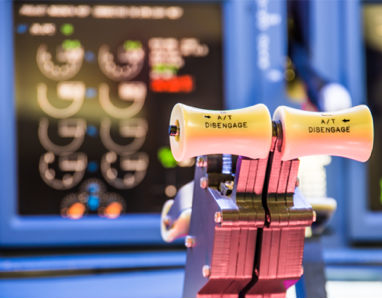
But what does ‘preparing’ in the context of a selection event consist of?
- For any potential interview – a thorough knowledge of your future airline should be undertaken. If you are joining a flight school, then you should talk to other students, and know the process you will undertake. In both cases, you should have put sufficient effort in to demonstrate you have done your research.
- For technical interviews – you should demonstrate a good working knowledge of your current type, the type you are hoping to fly, or for cadets, some basic flight training information. Again, you must show you have done your research.
- For competency-based interviews – prepare and organise events that have happened in your life, into workable examples (using the STAR format) that you can then use as answers to interview questions. View this as your ‘toolbox’, that depending upon the question, you can reach in and grab the appropriate event from with which to build your answer.
- For any potential group exercises – consider how you will work with others to tackle a problem, and how will you actively demonstrate those all-important competencies. Consider how you will utilise some form of structure, and ensure you demonstrate a decision-making process, whilst keeping your actions safe and professional. Read our guide to group exercises!
- For a simulator assessment – review potential flight profiles, learn the aircraft you are about to fly and practice multi-tasking to build capacity. Consider taking advantage of a practice session with our approved simulator partners.
- For psychometric testing – consider why these tests exist and think about what kind of assessments will take place. If the assessment involves demonstrating some level of cognition, or motor skill then practice if you can. We have both our app and psychometric test options, and we recommend reading our guide to airline pilot psychometric assessments!
The moral of the story is that pilots prepare for everything, whether it’s flying a plane, an annual simulator event or a selection process. Furthermore, they do this at times of low workload, and give themselves capacity prior to periods of high workload (approach and landing, or the days leading up to selection). We recommend starting your preparation well ahead of any selection event; even before you know one is approaching. This might mean that you view your world differently, considering events in your life in real time as they happen, reviewing whether they may end up being appropriate to use within an interview. You also may be working on a project with others at work and think some of the demonstrated techniques might work within a group exercise for example.
Either way, the earlier the better – that way you preserve capacity near to the event to be calm and relaxed, while gently reviewing your notes. This also allows spare time for any unexpected events that might occur to not push you off track.
So, prepare early, just like a pilot would – and get ahead of the rest.
Don’t forget, we are here to help and support you with a variety of AirlinePrep services including:
- Group courses
- 1:1 interview training
- Psychometric feedback options
- AirlinePrep the app
We are also be able to answer any questions that you may have, so please contact us!